
The Unsent Project Casetify: When Emotion Meets Everyday Design
Art You Can Carry in Your Hand
Imagine holding your phone — a device that connects you to everyone — wrapped in a case that speaks to the words you never said.
That’s exactly what the Unsent Project Casetify collaboration did.
This wasn’t just another phone case drop. It was a creative bridge between digital emotion and real-world expression, turning millions of unsent messages into art you could touch, hold, and feel.
What Is the Unsent Project Casetify Collaboration?
The Casetify x Unsent Project collaboration brought together two powerful ideas:
- Casetify, known for designing creative, personalized phone cases.
- The Unsent Project, a global archive of anonymous unsent messages paired with colors that reflect emotion.
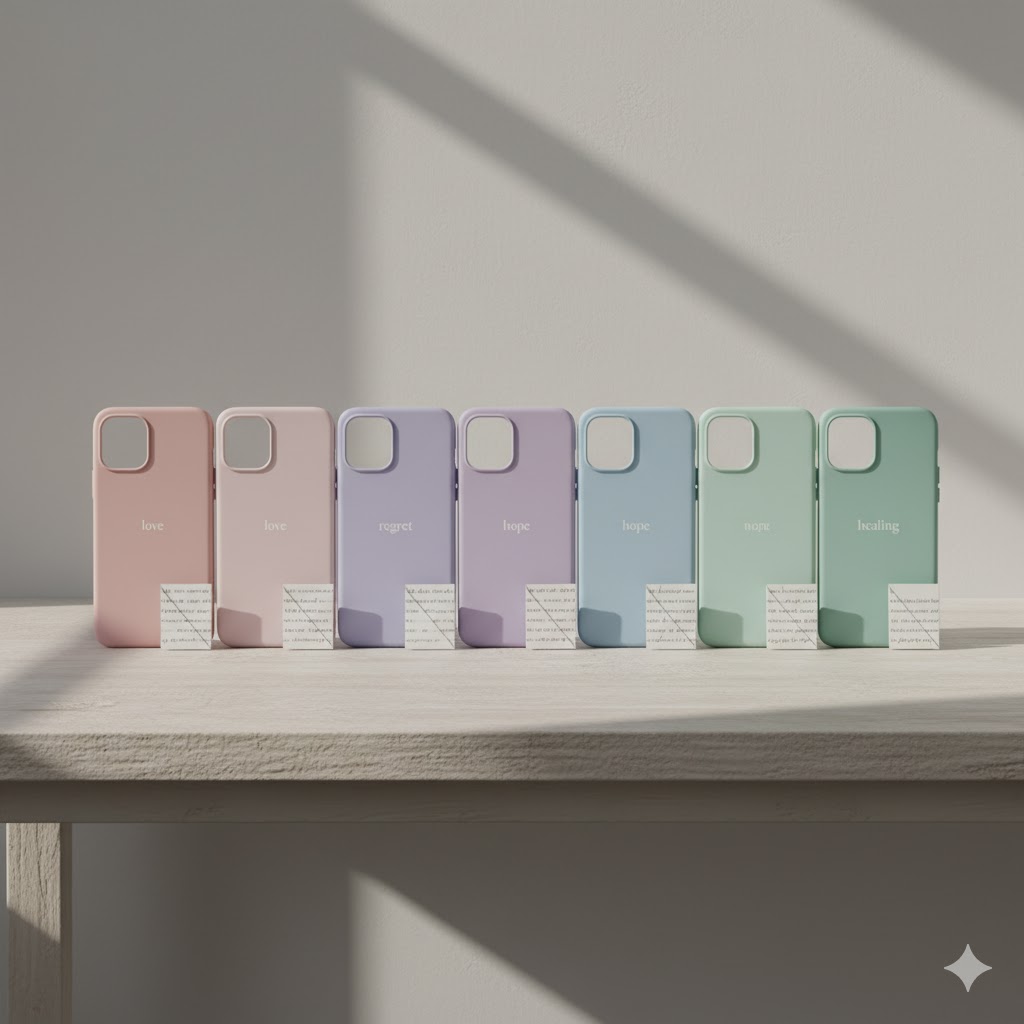
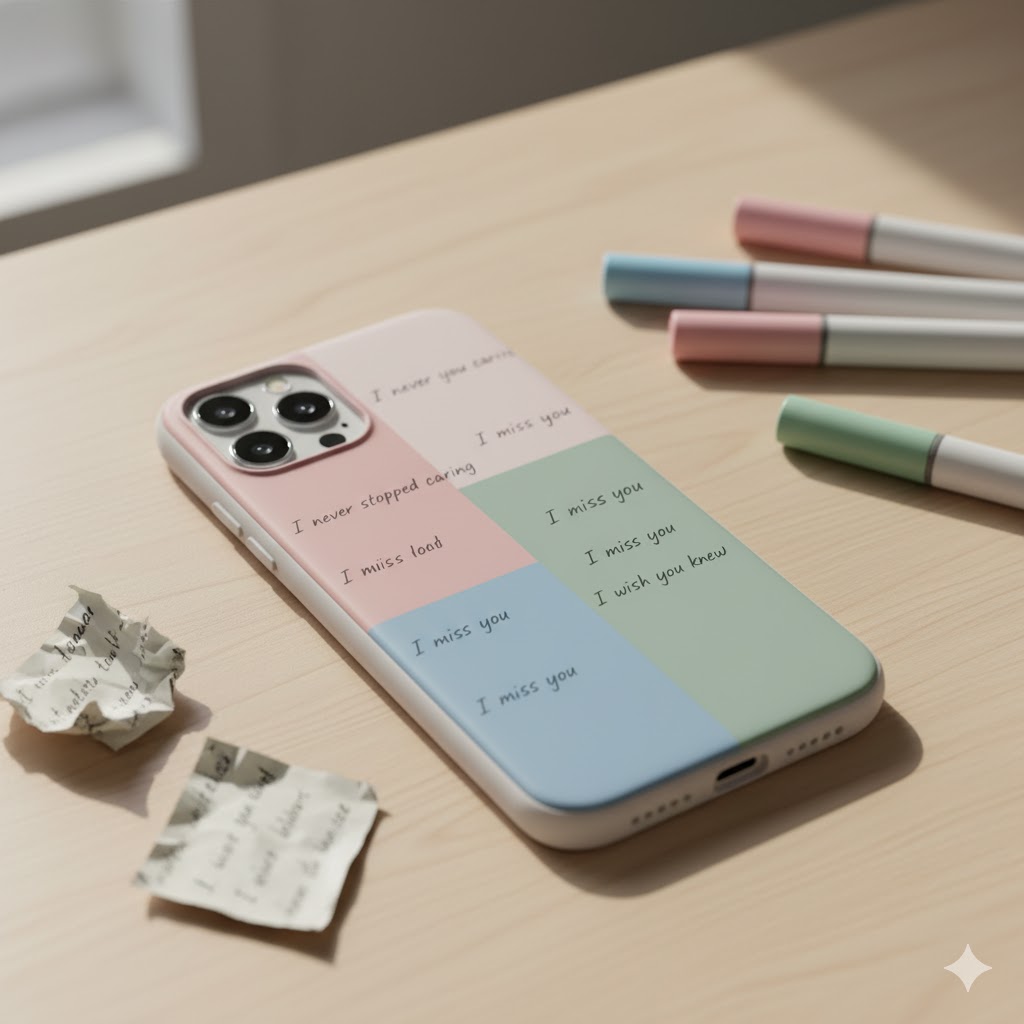
The result? A limited-edition line of cases inspired by the emotions, colors, and messages from real people across the world.
Each case became a canvas — not for logos or trends, but for feelings.
The Concept: Turning Emotion into Design
At the heart of this collaboration was a simple belief:
The things we don’t say still deserve to be seen.
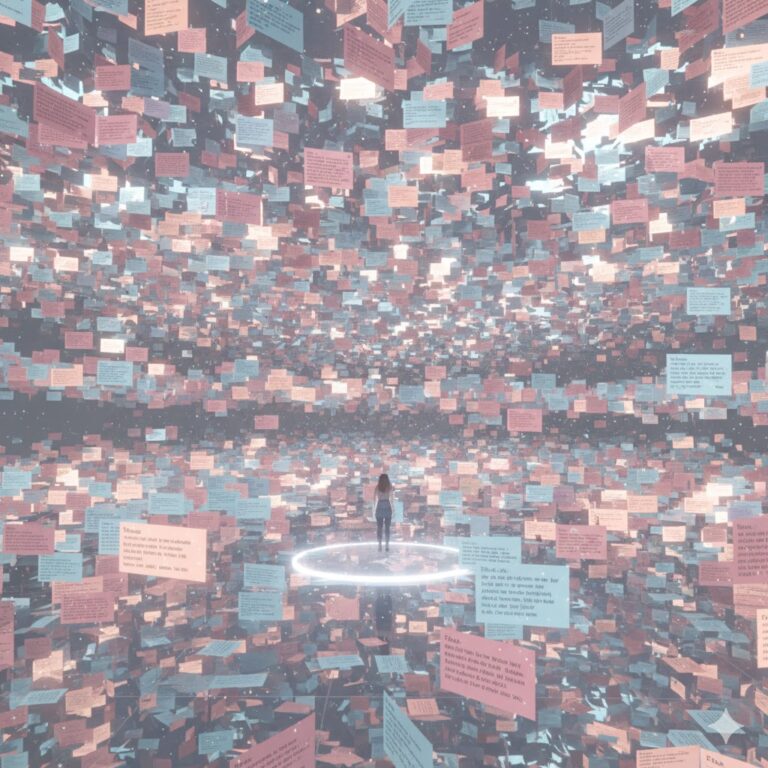
Designers drew inspiration from The Unsent Project’s vast archive — five million messages written by people who never pressed send. Each color told a story:
- Red for love.
- Blue for sadness.
- Green for healing.
- Pink for hope.
Casetify transformed those emotional colors into sleek, minimalist designs, capturing the feeling of being human in every shade.
The goal wasn’t to commercialize heartbreak — it was to honor it.
Why the Collaboration Worked So Well
The partnership struck a deep emotional chord because it wasn’t about selling products — it was about storytelling.
Every case represented someone’s truth, a visual reminder that everyone carries memories they couldn’t express.
For fans of both brands, it felt personal.
Owning one wasn’t just a fashion choice — it was like wearing a small piece of empathy.
Casetify’s platform already encouraged creativity, but this project gave design an emotional heartbeat. It blended aesthetics with authenticity, which is rare in consumer art.
The Emotional Connection
When you looked at an Unsent Project Casetify case, you didn’t just see color — you felt it.
- The soft blues reflected messages about distance and loss.
- The reds pulsed with old love and gratitude.
- The greens symbolized growth and forgiveness.
Some cases even featured real lines taken from the archive — short phrases that carried entire stories in a sentence.
“I typed your name again. I never hit send.”
“You’ll never know how much I still care.”
These weren’t quotes from authors. They were words from ordinary people — the kind we all could have written once.
Casetify’s Role in Preserving Meaning
Casetify’s strength has always been personalization — letting people make technology feel more like them.
With The Unsent Project, that mission reached a new level.
Instead of just customizing phone cases with names or patterns, users were connecting with shared emotion.
This wasn’t decoration — it was emotional design.
Casetify gave The Unsent Project’s digital archive a physical form, something you could hold as a daily reminder of self-reflection and growth.
A Collaboration Beyond Trends
The Unsent Project Casetify collaboration wasn’t driven by hype.
It resonated because it represented something timeless — the universal experience of love, loss, and letting go.
For many, buying a case from this series wasn’t about owning merchandise; it was about connecting with the message.
It became a quiet statement: “I’ve felt this too.”
That authenticity helped both brands reach audiences who valued emotion over aesthetics.
The Cultural and Artistic Impact
The collaboration sparked conversation far beyond tech accessories.
It inspired artists, writers, and students to explore how emotion can shape design.
Art journals and design blogs praised the series for humanizing minimalism, using color and words as tools of empathy rather than just decoration.
It also proved that digital art — like the Unsent Project’s archive — can move fluidly between screens and reality, merging technology, psychology, and creativity.
Fan Response: Why It Meant So Much
On social media, the reaction was immediate and heartfelt.
People shared photos of their cases with captions like:
“This one reminded me of my first love.”
“I carry my story in my hand every day.”
Some even treated the cases as emotional keepsakes, small reminders of closure or healing.
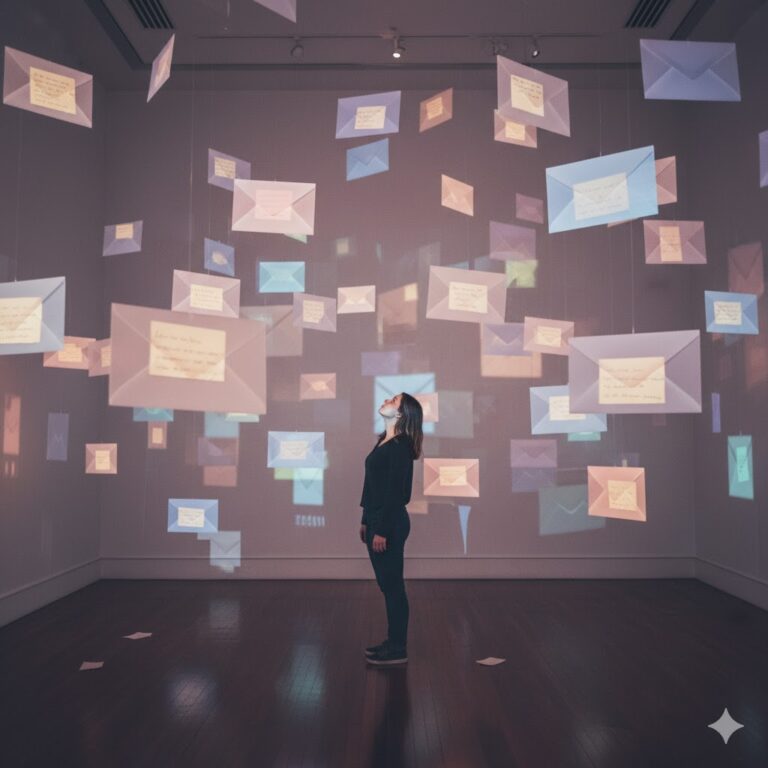
The collaboration showed that art doesn’t need to hang in a gallery to touch people — sometimes, it’s enough that it fits in your pocket.
Casetify x The Unsent Project: Symbol of Connection
In an era where digital expression often feels fleeting, this collaboration gave permanence to something intangible.
It told the world:
“Our emotions are worth preserving — even if they were never sent.”
And that’s what made it powerful.
It wasn’t just a crossover between two brands.
It was a meeting of technology, humanity, and vulnerability.
The Legacy of the Collaboration
Even though the collection was limited, its spirit continues to inspire new generations of creators.
Designers reference it when studying emotional branding.
Fans remember it as one of Casetify’s most meaningful collaborations — one that didn’t just decorate devices but connected hearts.
The Unsent Project Casetify partnership proved that design can heal, color can speak, and silence can inspire.
Conclusion – When Art and Emotion Collide
The Unsent Project Casetify collection was more than a product — it was an emotion, captured in color and form.
It reminded us that even the things we never said can become beautiful when expressed honestly.
Every hue, every phrase, every message reflected one truth:
The words we hold inside can still find a way to be seen.

It’s really a great and useful piece of information. I’m glad that you shared this helpful info with us. Please keep us up to date like this. Thank you for sharing.