

Unsent Project Old Messages — How to Revisit the Past You Never Sent
Why Old Words Still Matter
Some messages never reach their destination — but they never disappear either.
The Unsent Project old messages archive is a quiet digital time capsule where millions of unsent words still live, long after their authors moved on.
If you’ve ever wondered what happened to those early messages, or how to find them again, this guide walks you through everything — from what the archive stores to how you can rediscover its emotional history.
Because sometimes, the words we didn’t send are the ones that still shape us.
What Are Unsent Project Old Messages?
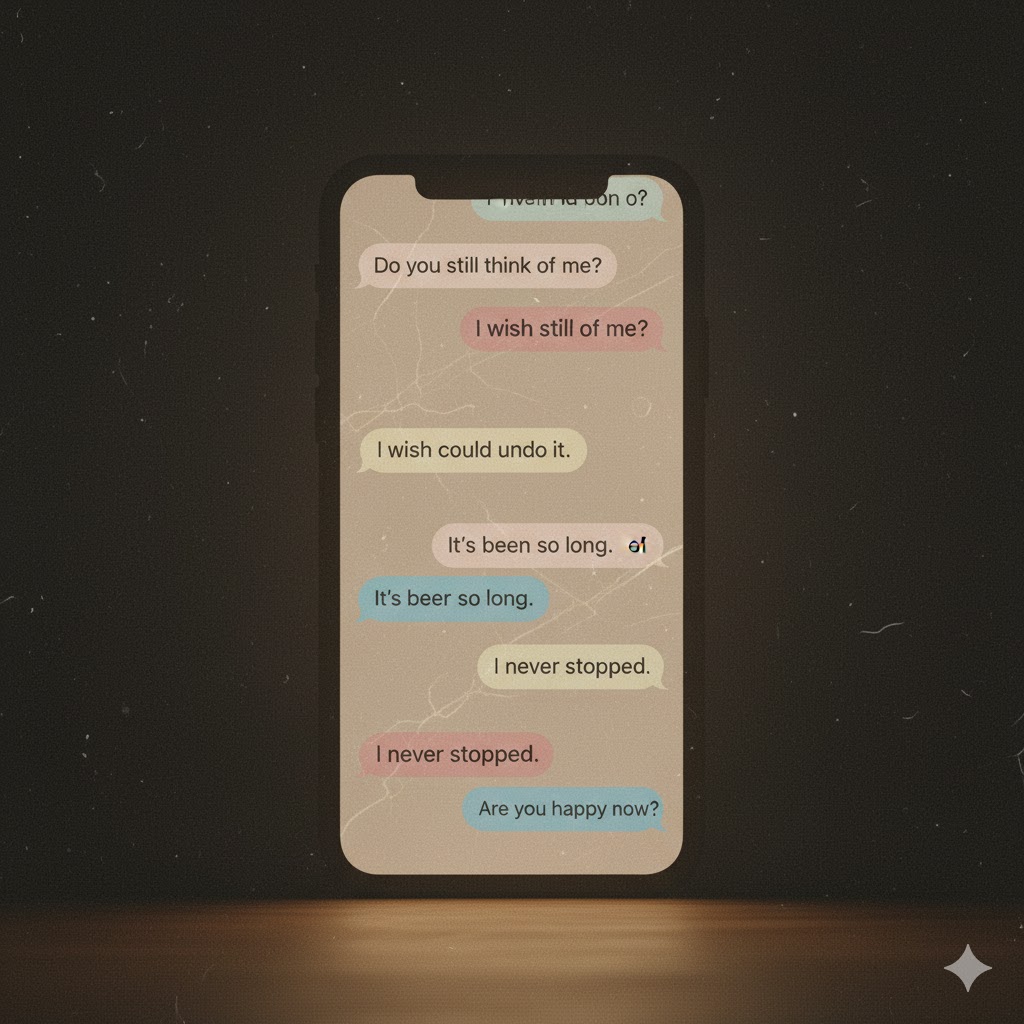
When people submit messages to the Unsent Text Project , they’re saved permanently in the project’s online archive. These short, anonymous texts — often addressed to first loves, lost friends, or forgotten moments — form one of the internet’s most heartfelt emotional collections.
The old messages are the earliest pieces of that history, written by users when the project first began in 2015. They capture raw, unfiltered feelings from the start of a global conversation about love, regret, and letting go.
Each line represents a snapshot in time — untouched, real, and deeply human.
The Purpose of Preserving Old Messages
The Unsent Project doesn’t delete or replace older entries. Every message becomes part of an evolving emotional record — a library of what people once felt but couldn’t express.
These archives serve multiple purposes:
- Historical — showing how digital self-expression evolved over time.
- Emotional — reminding readers that feelings change, but the need to express them never fades.
- Artistic — turning personal silence into a shared visual and emotional experience.
In a world where online content disappears overnight, the Unsent Project’s decision to preserve every word feels rare — and important.
How to See Old Unsent Project Messages
If you want to explore or revisit older entries, here’s how to do it step by step:
- Visit the official Unsent Project website.
You’ll find a search bar and a colorful message wall filled with recent submissions. - Use the Search Feature.
Enter a name, keyword, or emotion (like “love,” “sorry,” or “goodbye”).
The archive will show messages that match your search — some recent, others from years ago. - Filter by Color.
Older messages often carry distinct emotional tones.
-
- Red: Passion or unspoken love.
- Red: Passion or unspoken love.
-
- Blue: Sadness or distance.
- Blue: Sadness or distance.
-
- Green: Healing or forgiveness.
By choosing a color, you can narrow down messages that reflect specific feelings from the project’s early days.
- Green: Healing or forgiveness.
-
- Explore the Archive Pages.
Many users share screenshots of old entries on social media (Reddit, Tumblr, Pinterest). Searching “Unsent Project old archive” or “Unsent Project messages 2016–2018” often reveals these preserved screenshots. - Archive Sites and Backups.
Some fans have saved older pages using tools like Wayback Machine or Archive.org. Searching there can help you revisit the earliest versions of the project before redesigns and updates.
Why People Search for Old Messages
There are many reasons people return to old Unsent Project entries:
- Curiosity: They want to see how the archive began.
- Memory: They once submitted a message and hope to find it again.
- Empathy: Old messages often feel deeper, more personal, less influenced by social media trends.
Revisiting old messages is like walking through a museum of emotions — familiar yet distant, reminding us how much we’ve grown.
“Reading old Unsent messages feels like opening someone’s time capsule. It hurts, but in a good way.”
The Emotional Value of the Archive
Old messages reveal something timeless about human nature — our instinct to speak, even when no one is listening.
They capture the first moments when people began trusting the internet as a space for emotional honesty.
These early submissions came before the project became widely known. That makes them more private, more intimate, and often more poetic.
They’re written by people who didn’t expect to be read — only to be understood.
What Makes Old Messages Special
- They’re Unedited:
Many of the first messages were typed in lowercase, without punctuation — honest and spontaneous. - They Capture a Simpler Time:
Before algorithms and filters, people used the project purely as emotional release. - They Represent True Vulnerability:
Without the pressure of social visibility, these messages are raw confessions — fragments of hearts in their truest form.
The Unsent Project Old Messages Archive
The Unsent Project old messages archive isn’t a separate site — it’s part of the main project’s database.
However, community efforts and digital archiving tools have kept much of the early content accessible.
Here’s where you can explore them:
- The Unsent Project Website: Browse and search manually through categories.
- Reddit Threads: Discussions like “The Unsent Project Old Archive” often link to screenshots or recovered entries.
- Wayback Machine: Search for theunsentproject.com snapshots between 2015–2018 to view the original layout and early messages.
These archives reveal not just personal confessions but also the project’s growth — from a small art idea to a worldwide emotional movement.
The Challenge of Finding Old Messages
While the archive is vast, it isn’t searchable by date — which makes tracking specific old messages tricky.
Because submissions are anonymous, there’s no personal retrieval option either.
That’s why preservation through screenshots and community sharing has become so valuable. Fans often post and save messages they relate to — creating small collections that act like “mini-archives” of emotion.
So while you might not find your exact message, you’ll likely find something that feels just like it.
Why the Archive Still Matters Today
Old messages remind us that our emotions, even the ones left unsent, have a place in history.
They show that silence, when shared, can connect millions.
For many, reading these messages isn’t about nostalgia — it’s about realizing how far they’ve come since the day they wrote something similar.
“What I couldn’t send five years ago, I can finally say to myself now.”
That’s the quiet power of the archive — it doesn’t erase pain; it transforms it.
Conclusion – The Past Still Speaks
The Unsent Project old messages archive is more than digital memory — it’s a reflection of everything we once felt but never said.
Every old line, every color, every unspoken thought proves that even silence has meaning.
The archive isn’t just history — it’s healing history.
So if you ever find yourself missing the past, don’t scroll your chat history.
Search the Unsent Project old messages archive — and listen to what silence once sounded like.
Because old words never really fade. They just wait to be heard again.





I’ve been surfing online more than three hours nowadays, yet I by no means discovered any interesting article like yours. It is lovely value sufficient for me. In my view, if all website owners and bloggers made just right content as you probably did, the web will be much more helpful than ever before. “Wherever they burn books, they will also, in the end, burn people.” by Heinrich Heine.