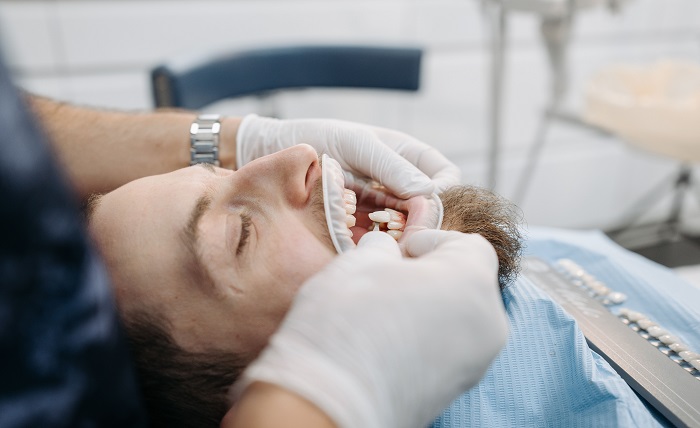
Some dental questions are easy to ask. How long is an appointment? Where should I park? Others remain in the notes app or in a message never sent: Will the dentist judge how long I waited? What if I cannot afford the treatment? Will I have to be seen without a front tooth? These questions can feel private, but they are relevant to a useful consultation.
For someone in Naperville looking into treatment, information about dental implants near Naperville can explain options at Chicago Implant Studio’s office in Aurora. The page cannot know what worries you most. Writing that concern down before a visit is often the simplest way to make sure it is discussed.
There is no obligation to tell a dramatic story about your teeth. A clinician needs the facts about your mouth and health, and you deserve clear answers about the choices available. The questions below are common enough to be worth bringing into the open without assuming that everyone feels the same way.
Will I Be Judged for Waiting
People delay dental care for many reasons: money, work, previous experiences, caregiving, anxiety, or simply not knowing which office to call. Those reasons are part of real life. If you have not had an examination in years, say so and tell the team whether anything in particular makes appointments difficult.
The consultation should focus on the current condition of your teeth and gums and on reasonable next steps. You can ask the clinician to explain findings without blame. If a tooth can be preserved, you should understand how. If it cannot, ask why and what alternatives exist.
Bring any old X-rays or treatment information you have access to, but do not postpone the appointment because you cannot find a complete history. A new assessment can establish where things stand now.
What if the News Is Worse Than I Expect
A tooth that looks damaged is not always beyond treatment, and a tooth that looks acceptable may still have a problem that needs attention. Ask the clinician to separate confirmed findings from possibilities that require more assessment.
If several teeth are involved, ask for a tooth-by-tooth explanation. Which can remain? Which are questionable? Which treatment choices depend on preserving them? A diagram or written plan can make a complex conversation easier to revisit after the visit.
It is acceptable to say that you are not ready to decide on extractions at the first appointment. Ask whether any urgent issue needs immediate care and how long you have to consider the broader plan. A clear discussion respects both clinical timing and your need to understand the decision.
Will I Be Without Teeth During Treatment
This question is often about work, family meals, photographs, or simply feeling comfortable leaving the house. Bring it up early. Depending on the case, temporary replacements may be possible, but their design and timing vary.
Ask what you would wear between removal of a tooth and delivery of the final restoration. Is the temporary option fixed or removable? How will it look? Are there food restrictions? If a new set of teeth is attached early, when will the definitive teeth be made?
Avoid assuming that another person’s same-day result describes your case. The available bone, remaining teeth, bite, and healing needs can change the sequence. A clinician should explain both the intended plan and what would happen if it needs to change.
What if I Am Afraid of Surgery
Fear does not mean you are a poor candidate or that you must agree to a procedure. Tell the team which part worries you: the injection, the surgery itself, pain afterward, sedation, or the possibility that something will go wrong. Different worries call for different explanations.
Ask what methods are available to manage comfort, what risks apply to your proposed treatment, and what you would need to arrange for transport if sedation is used. Your medical history affects these discussions. Do not take a borrowed medication or rely on someone else’s postoperative routine.
You can also ask about clinically appropriate options that do not involve implant surgery, such as a bridge or a removable replacement. Understanding the alternatives may help you make a decision without feeling cornered.
Can I Ask for the Whole Price
Yes. A total estimated price is a basic part of informed decision-making. Ask for a written plan that names any extraction, imaging, grafting, implant placement, temporary tooth, final restoration, and follow-up visits. Find out which items are included and which might change after further examination.
Someone considering All-on-4 treatment in Aurora should ask whether an estimate covers one jaw or both, and which temporary and final teeth are included. A full quote matters, but so do time away from work, transportation after sedation, and the practical cost of several follow-ups.
If financing is offered, ask for the total amount payable and the terms, not only the monthly payment. If insurance is discussed, ask which benefits have been checked for your own policy. It is reasonable to take paperwork home before deciding.
Will My Family Understand Why This Matters
Some people live with a missing tooth for years while the people around them see no problem. Others want help making a decision that affects a shared budget. You can explain the issue in practical terms: the tooth affects eating, a denture moves, or a clinician has found that an old restoration needs attention.
If a family member attends the appointment, decide which parts of the conversation you want them to hear. A support person can take notes and help you recall the options. They should not replace your own goals with their preferred appearance or price.
Ask the clinician for a plan you can share in ordinary language. A written explanation of the options, dates, and estimated costs is easier to discuss than a collection of unfamiliar treatment names remembered from the drive home.
What if I Do Not Like How the Temporary Teeth Look
Appearance is a legitimate concern, especially when a visible tooth is involved. Tell the team what bothers you about your current smile and what you hope a replacement will look like. Ask whether a temporary tooth can be adjusted and how decisions about the final tooth shape and shade are made.
Be realistic about what an early temporary restoration is designed to accomplish. It may support appearance while tissues heal, but it can have different materials or limitations from the final restoration. Ask what you will be invited to review before definitive teeth are fitted.
If an image or digital preview is shown, ask what it represents. A planning picture can help communicate preferences, but it should not be mistaken for a guaranteed result. Your anatomy and healing will influence the finished work.
What Happens if Something Goes Wrong Later
This is a responsible question, not a sign that you expect failure. Surgery and dental restorations have risks and maintenance needs. Ask whom you contact if discomfort persists, a temporary tooth comes loose, or the bite changes. Find out what follow-up visits are part of the plan.
After treatment, cleaning the restoration and attending reviews are important. Artificial teeth cannot develop cavities in the same way natural teeth do, but the surrounding gums and bone still need care. Ask for a demonstration of the home routine for the exact kind of restoration you receive.
If you move or change dental practices, keep copies of your records. Knowing what was placed, when, and by whom can make future care more straightforward. Long-term support is worth considering before surgery day.
You Can Bring the Unsent Questions With You
Write down the questions you have been postponing, even if they feel small. Bring the list to the appointment and ask the clinician to address it before you decide. You can request more time, an explanation in simpler words, or a second opinion if the proposed treatment is extensive.
People in Naperville considering dental implants do not need the same priorities or the same treatment plan. What they do need is a clear assessment of their own mouth, an honest account of alternatives, and enough information to choose. The question left in a notebook can become the one that makes the plan finally understandable.
Give Yourself a Way to Pause
It can help to decide before the consultation what would make you pause. Perhaps you would want another opinion if several teeth are recommended for removal, or more time if the estimate is larger than expected. Tell the team you would like copies of the findings and the proposed treatment if you need to think it over.
Pausing does not mean ignoring a dental problem. Ask whether anything needs prompt treatment and which decisions can wait while you review the options. That separates clinical urgency from pressure to agree to an entire plan on the spot. A conversation in which you can ask, understand, and take time when appropriate is more likely to produce a decision you can live with.