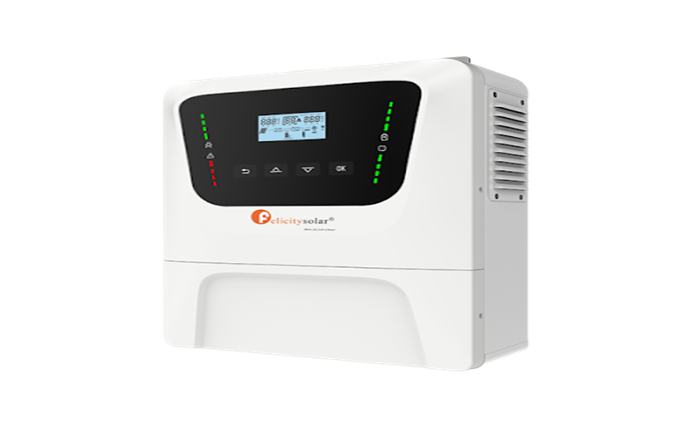
Introduction to Off-Grid Solar Inverters
Are you dreaming of a life away from the grid? Picture this: solar panels soaking up the sun, charging your home with clean energy while you enjoy nature’s tranquility. Enter the off-grid solar inverter—a key player in making that dream a reality. If you’ve ever wondered how to harness the power of sunlight without depending on traditional energy sources, you’re in for a treat.
In this guide, we’ll explore everything you need to know about off-grid solar inverters. From their benefits and types to installation tips and maintenance advice, we’ve got it all covered. Whether you’re a seasoned eco-warrior or just starting your journey into sustainable living, understanding off-grid solar inverters is essential for creating an independent lifestyle powered by renewable energy. So grab your favorite drink, settle in, and let’s dive into the world of off-grid solar!
Benefits of an Off-Grid Solar Inverter
Off-grid solar inverter provide independence from the traditional power grid. This autonomy allows you to generate your electricity, which is particularly beneficial in remote areas.
Another significant advantage is cost savings over time. Once installed, these systems can drastically reduce or eliminate monthly utility bills. Imagine not having to worry about fluctuating energy prices.
Sustainability is also a compelling reason to consider off-grid systems. They harness renewable energy and lower your carbon footprint, contributing positively to the environment.
Reliability stands out as well; with proper battery storage, you maintain power even during outages or poor weather conditions.
Furthermore, they offer flexibility in design and installation options tailored specifically for individual needs and preferences. Whether you’re powering a cabin or an entire home, customization ensures optimal performance.
Types of Off-Grid Solar Inverters
Off-grid solar inverters come in various types, each tailored for specific energy needs. The most common are pure sine wave and modified sine wave inverters.
Pure sine wave inverters provide a smooth and consistent power output. They are ideal for sensitive electronics such as laptops and medical equipment. Their efficiency makes them the preferred choice for many off-grid setups.
On the other hand, modified sine wave inverters offer a more affordable option. While they work well with simpler devices like lights or fans, they might not be suitable for all appliances due to potential inefficiencies.
Another type is the inverter/charger combo unit, which combines an inverter with a battery charger. This multifunctional device simplifies installation and management of your off-grid system.
There are micro-inverters that work at the panel level. These can optimize performance across multiple panels but may require more complex setup compared to traditional systems.
Factors to Consider When Choosing an Off-Grid Solar Inverter
Choosing the right off-grid solar inverter requires careful thought. Start by assessing your energy needs. Calculate how much power you consume daily to ensure the inverter can meet those demands.
Next, consider the inverter’s capacity. Look for one that comfortably exceeds your peak usage to avoid overloads during high-demand periods.
Efficiency is another key factor. Higher efficiency means less wasted energy, which translates into better performance over time.
Think about compatibility with your solar panel system as well. Not all inverters work well with every type of panel, so check specifications.
Evaluate features like monitoring capabilities and warranty options. A good warranty can save you money in the long run if issues arise later on.
Installation and Maintenance Tips
Proper installation is crucial for maximizing the efficiency of your off-grid solar inverter. Start by selecting a location with ample sunlight exposure, ideally away from shade and obstructions.
Ensure all wiring connections are secure to prevent voltage drops. Use high-quality cables that can handle the system’s power needs. Consider enlisting a professional if you’re unsure about any step in this process.
Maintenance is equally important for longevity. Regularly check your inverter’s display for error codes or warning signs. Dust and debris can accumulate over time, so clean the unit periodically to keep it functioning optimally.
Battery care should not be overlooked either; monitor their state and charge levels frequently. This attention will extend battery life significantly while keeping your energy supply reliable.
Familiarize yourself with troubleshooting tips specific to your model—this knowledge could save you unnecessary downtime later on.
Frequently Asked Questions about Off-Grid Solar Inverters
Off-grid solar inverters often raise several questions among potential users. One common query is about their efficiency. How well do these devices convert solar energy into usable power? Typically, off-grid inverters boast high efficiency rates, ensuring minimal energy loss during the conversion process.
Another frequent concern revolves around battery compatibility. Can any battery be used with an off-grid inverter? It’s crucial to match the inverter with compatible batteries for optimal performance and longevity.
People also wonder about system size requirements. What size inverter do you need for your specific setup? The answer depends on your total energy consumption and how much power you intend to store or use at any given time.
Maintenance inquiries are common as well. Do off-grid solar inverters require regular upkeep? While they generally have low maintenance needs, periodic checks can enhance long-term reliability and performance.
Conclusion
Exploring the world of off-grid solar inverters opens up a realm of possibilities for energy independence. With numerous benefits like reduced electricity bills and minimal environmental impact, it’s easy to see why many people are making the switch.
As you consider various types, such as pure sine wave and modified sine wave inverters, each option brings its own advantages tailored to specific needs. Evaluating factors like your power requirements, budget constraints, and installation space is crucial when selecting the right inverter for your setup.
The journey doesn’t end with purchasing an off-grid solar inverter; proper installation and regular maintenance ensure optimal performance over time. A few simple tips can extend your system’s lifespan while maximizing efficiency.
If you’re new to this technology or have questions about how it works or what might suit your situation best, don’t hesitate to seek out resources that provide clarity on common queries. Knowledge is key in navigating these choices successfully.
Embracing an off-grid lifestyle through solar energy not only contributes positively to the environment but also empowers you with greater control over your electricity use and costs. The transition may seem daunting at first, but with informed decisions and some research, you’ll find yourself well-equipped for sustainable living.