Introduction
Unsent messages have become a quiet but powerful part of modern digital communication. In a world where almost everything is instantly shared, unsent messages represent thoughts that were written but never delivered. These messages often stay in drafts, notes, or deleted chats, holding emotions that were never expressed.
Unsent messages can reflect hesitation, emotional control, or even fear of consequences. Many people type long emotional texts and then delete them before pressing send. These unsent messages can carry feelings of love, anger, regret, or confusion that remain unspoken.
In daily life, unsent messages are more common than most people realize. Whether it is a message to an ex, a friend, or a colleague, unsent messages often act as a silent emotional outlet. They help people process feelings without real-world consequences.
At the same time, unsent messages also reveal how communication has changed in the digital age. Instead of face-to-face conversations, people now rely on typing—and sometimes not sending at all—to express themselves.
Why People Create Unsent Messages in Daily Life
Unsent messages are often created because people want to express something but are unsure about the outcome. In many situations, unsent messages are written during emotional moments when sending them might lead to regret.
One of the main reasons behind unsent messages is emotional self-control. People often realize that sending a message in anger or sadness may damage relationships. So, they write unsent messages as a way to release emotions without creating conflict.
Another reason for unsent messages is fear of rejection or misunderstanding. Many individuals hesitate to send honest feelings because they are unsure how the other person will respond. As a result, unsent messages become a safe space for expression.
Unsent messages also appear in professional settings. Employees sometimes draft critical feedback or honest opinions but choose not to send them to avoid workplace tension. These unsent messages help them organize thoughts without risking consequences.
Overall, unsent messages serve as a balance between expression and restraint, allowing people to think before acting in digital communication.
The Emotional Psychology Behind Unsent Messages
The psychology behind unsent messages is deeply connected to human emotion and decision-making. When people write unsent messages, they are often processing complex feelings such as anger, love, or disappointment.
Unsent messages can act as emotional regulation tools. Writing thoughts down helps the brain reduce emotional pressure, even if the message is never sent. This makes unsent messages a form of self-therapy for many individuals.
Another psychological aspect of unsent messages is closure. People often write unsent messages to someone from their past as a way to express feelings they never got to share. Even though the messages remain unsent, the emotional relief is real.
Unsent messages also reflect internal conflict. The act of writing but not sending shows a battle between emotion and logic. One part of the mind wants to express everything, while the other part warns about consequences.
In many cases, unsent messages are more honest than actual conversations. Since there is no fear of judgment, people often express their true feelings more freely in unsent messages than in real interactions.
Unsent Messages in Social Media and Messaging Apps
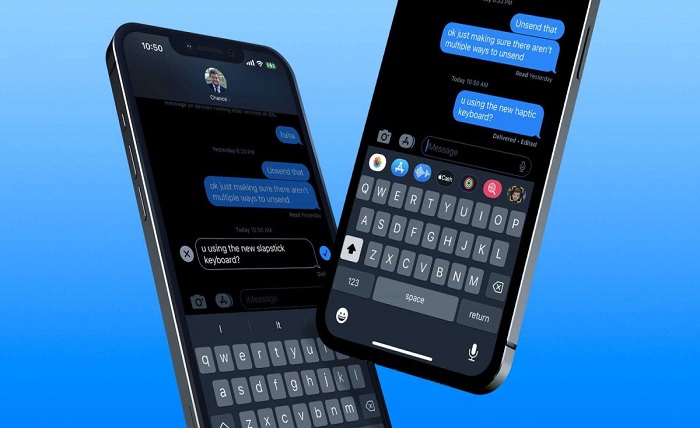
In today’s digital world, unsent messages are closely tied to social media and messaging apps. Many platforms now even include features that allow users to delete or “unsend” messages after sending them.
These features have made unsent messages more common and more complex. People now have the option to retract a message if they feel it was a mistake, turning communication into a more flexible but uncertain process.
Unsent messages also appear in chat drafts and typing boxes. Many users start conversations but never complete them, leaving behind digital traces of unsent messages in apps like WhatsApp, Messenger, or Instagram.
The existence of unsent messages in social media also affects relationships. People may notice that a message was typed but never sent, leading to curiosity or emotional interpretation. This can sometimes create misunderstandings.
Despite these challenges, unsent messages also give users more control over their communication. They allow time to think before speaking, which can improve the quality of conversations and reduce emotional conflict.
Risks, Misunderstandings, and Hidden Impact of Unsent Messages
While unsent messages can be helpful, they also carry certain risks. One major issue with unsent messages is emotional buildup. When people constantly write but do not express themselves, feelings can accumulate internally.
Unsent messages can also lead to overthinking. A person may repeatedly revise a message, imagining different outcomes, which increases stress and emotional confusion.
In relationships, unsent messages can sometimes create misunderstandings. For example, if someone expects a response but the message was never actually sent, it can lead to miscommunication and emotional distance.
Another risk of unsent messages is missed opportunities. Important feelings or ideas may never be shared because they remain trapped in drafts or deleted notes.
However, unsent messages are not entirely negative. They can also prevent impulsive communication and protect relationships from unnecessary conflict. The key is finding a balance between expression and restraint.
How Unsent Messages Affect Relationships and Communication
Unsent messages play a significant role in shaping how people interact in relationships. They often represent things that are felt but not spoken, which can influence emotional dynamics.
In romantic relationships, unsent messages are especially common. People may write emotional texts during arguments but decide not to send them to avoid escalation. These unsent messages often reflect deeper feelings that are difficult to express directly.
In friendships, unsent messages can indicate hesitation or fear of judgment. A person might want to reconnect or apologize but keeps the message unsent due to uncertainty about the outcome.
Unsent messages can also create emotional distance over time. When important thoughts are repeatedly left unsaid, communication becomes less open and more controlled.
On the positive side, unsent messages can help people avoid unnecessary conflict. They allow time to cool down and rethink emotional responses before communicating.
Ultimately, unsent messages shape relationships by influencing what is said—and what remains unsaid.
The Future of Unsent Messages in Digital Communication
The concept of unsent messages is likely to evolve further as technology advances. With more intelligent messaging systems, unsent messages may become easier to manage or even analyze for emotional insights.
Future apps may offer suggestions based on unsent messages, helping users decide whether to send or delete them. This could make communication more thoughtful and intentional.
At the same time, unsent messages will likely remain a natural part of human behavior. No matter how advanced technology becomes, people will continue to think, hesitate, and reconsider before sending emotional content.
Unsent messages may also become more integrated into mental health tools. Since they reflect genuine emotions, they could help individuals understand their feelings better over time.
As digital communication continues to grow, unsent messages will remain an invisible but important layer of human interaction.
Conclusion
Unsent messages are more than just deleted text—they are reflections of thoughts, emotions, and decisions that were never shared. They show the complexity of human communication in the digital age.
Whether used for emotional release, self-control, or reflection, unsent messages play a silent but powerful role in how people interact online and offline. Understanding them helps us better understand ourselves.
In the end, unsent messages remind us that sometimes what we choose not to say can be just as meaningful as what we actually communicate.
FAQs
1. What are unsent messages?
Unsent messages are texts or thoughts written in digital form but never sent to the intended recipient.
2. Why do people write unsent messages?
People create unsent messages to express emotions, avoid conflict, or organize their thoughts before communicating.
3. Are unsent messages common?
Yes, unsent messages are very common in both personal and professional communication.
4. Can unsent messages affect relationships?
Yes, unsent messages can influence relationships by creating emotional distance or preventing important communication.
5. Are unsent messages healthy?
Unsent messages can be healthy when used for emotional reflection, but unhealthy if they lead to overthinking or emotional suppression.